Methanol
HMT 15 June 2026- UN / ID
- UN 1230
- Hazard class
- 3
- Packing group
- II (multiple — see tabs)
- ERG guide
- ERG 131
- Special provisions
- Source
- 49 CFR §172 (15 June 2026)
Methanol
Methanol (also called methyl alcohol, wood alcohol, and wood spirit, amongst other names) is an organic chemical compound and the simplest aliphatic alcohol, with the chemical formula CH3OH (a methyl group linked to a hydroxyl group, often abbreviated as MeOH). It is a light, volatile, colorless and flammable liquid with a distinctive alcoholic odor similar to that of ethanol (potable alcohol), but is more acutely toxic than the latter. Methanol acquired the name wood alcohol because it was once produced through destructive distillation of wood. Today, methanol is mainly produced industrially by hydrogenation of carbon monoxide Wikipedia
Substance Data
Source: PubChem (HSDB, 21.10.2026)CAS-Number67-56-1 |
Flash Point9.7 ° C | Boiling Point64.7 ° C |
| Emergency Response Guide No. 131 |
Hazardous Materials Table
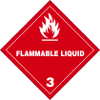
Source: 49 CFR §172 (15 June 2026)(3) Hazard class3Flammable liquids |
(4) Identification number |
(5) Packing Group |
|||||||||
(6) Labels |
|||||||||||
(1) Symbols This entry is signed with plus (+). The plus (+) sign fixes the proper shipping name, hazard class and packing group for that entry without regard to whether the material meets the definition of that class, packing group or any other hazard class definition. When the plus sign is assigned, it means that the material is known to pose a risk to humans. When a plus sign is assigned to mixtures or solutions containing a material where the hazard to humans is significantly different from that of the pure material or where no hazard to humans is posed, the material may be described using an alternative shipping name that represents the hazards posed by the material. An appropriate alternate proper shipping name and hazard class may be authorized by the Associate Administrator. |
|||||||||||

| IB2 | |
|---|---|
| T7 | |
| TP2 | a. The maximum degree of filling must not exceed the degree of filling determined by the following: 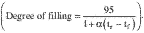 Where: t<sub>r</sub> is the maximum mean bulk temperature during transport, t<sub>f</sub> is the temperature in degrees celsius of the liquid during filling, and α is the mean coefficient of cubical expansion of the liquid between the mean temperature of the liquid during filling (t<sub>f</sub>) and the maximum mean bulk temperature during transportation (t<sub>r</sub>) both in degrees celsius. b. For liquids transported under ambient conditions α may be calculated using the formula:  Where: d<sub>15</sub> and d<sub>50</sub> are the densities (in units of mass per unit volume) of the liquid at 15 °C (59 °F) and 50 °C (122 °F), respectively. |
(8) Packing Authorizations (§173.***) 
| (8A) Exceptions | 150 | see 49 CFR §173.150 |
|---|---|---|
| (8B) Non-bulk | 202 | see 49 CFR §173.202 |
| (8C) Bulk | 242 | see 49 CFR §173.242 |
(9) Quantity Limits
| (9A) Passenger aircraft/rail | 1 L |
|---|---|
| (9B) Cargo aircraft only | 60 L |
(10) Vessel stowage
| (10A) Location | |
|---|---|
| (10B) Other |
(3) Hazard class3Flammable liquids |
(4) Identification number |
(5) Packing Group |
|||||||||
(6) Labels |
|||||||||||
(1) Symbols |
|||||||||||
| IB2 | |
|---|---|
| T7 | |
| TP2 | a. The maximum degree of filling must not exceed the degree of filling determined by the following: Where: t<sub>r</sub> is the maximum mean bulk temperature during transport, t<sub>f</sub> is the temperature in degrees celsius of the liquid during filling, and α is the mean coefficient of cubical expansion of the liquid between the mean temperature of the liquid during filling (t<sub>f</sub>) and the maximum mean bulk temperature during transportation (t<sub>r</sub>) both in degrees celsius. b. For liquids transported under ambient conditions α may be calculated using the formula: Where: d<sub>15</sub> and d<sub>50</sub> are the densities (in units of mass per unit volume) of the liquid at 15 °C (59 °F) and 50 °C (122 °F), respectively. |
(8) Packing Authorizations (§173.***)
| (8A) Exceptions | 150 | see 49 CFR §173.150 |
|---|---|---|
| (8B) Non-bulk | 202 | see 49 CFR §173.202 |
| (8C) Bulk | 242 | see 49 CFR §173.242 |
(9) Quantity Limits
| (9A) Passenger aircraft/rail | 1 L |
|---|---|
| (9B) Cargo aircraft only | 60 L |
(10) Vessel stowage
| (10A) Location | |
|---|---|
| (10B) Other |
Packing group comparison
Multiple packing groups apply to this entry. See assignment criteria in 49 CFR §173 Subpart D. Details are in the tabs above; differences are highlighted.
Segregation chart for load, transport, and storage
This chart shows whether loading, transport, or storage with other hazard classes is permitted, prohibited, or restricted. Based on 49 CFR §177.848.
Full segregation table for class 3 · Browse UN entries for this class
| Hazard class | 8 | 7 | 6.1 | 5.2 | 5.1 | 4.3 | 4.2 | 4.1 | 3 | 2.3B | 2.3A | 2.2 | 2.1 | 1.6 | 1.5 | 1.4 | 1.3 | 1.1/1.2 |
| 1.1/1.2 | ||||||||||||||||||
| 1.3 | ||||||||||||||||||
| 1.4 | ||||||||||||||||||
| 1.5 | ||||||||||||||||||
| 1.6 | ||||||||||||||||||
| 2.1 | ||||||||||||||||||
| 2.2 | ||||||||||||||||||
| 2.3A | ||||||||||||||||||
| 2.3B | ||||||||||||||||||
| 3 | ||||||||||||||||||
| 4.1 | ||||||||||||||||||
| 4.2 | ||||||||||||||||||
| 4.3 | ||||||||||||||||||
| 5.1 | ||||||||||||||||||
| 5.2 | ||||||||||||||||||
| 6.1 | ||||||||||||||||||
| 7 | ||||||||||||||||||
| 8 |
| Must not be loaded, transported, or stored together in the same vehicle or facility. | |
| May be loaded, transported, or stored together. | |
| May be loaded, transported, or stored together only with restrictions. |