Chlorate and magnesium chloride mixture solution
HMT 15 June 2026- UN / ID
- UN 3407
- Hazard class
- 5.1
- Packing group
- II (multiple — see tabs)
- ERG guide
- ERG 140
- Special provisions
- Source
- 49 CFR §172 (15 June 2026)
Chlorate and magnesium chloride mixture solution
Chlorate is the common name of the ClO−3 anion, whose chlorine atom is in the +5 oxidation state. The term can also refer to chemical compounds containing this anion, with chlorates being the salts of chloric acid. Other oxyanions of chlorine can be named "chlorate" followed by a Roman numeral in parentheses denoting the oxidation state of chlorine: e.g., the ClO−4 ion commonly called perchlorate can also be called chlorate(VII). As predicted by valence shell electron pair repulsion theory, chlorate anions have trigonal pyramidal structures Wikipedia
| Emergency Response Guide No. 140 |
Hazardous Materials Table
Source: 49 CFR §172 (15 June 2026)(3) Hazard class5.1Oxidizers |
(4) Identification number |
(5) Packing Group |
||||||||||
(6) Labels |
||||||||||||
(7) Special Provisions (§172.102)
|
||||||||||||

| A9 | |
|---|---|
| IB2 | |
| N34 | |
| T4 | |
| TP1 | The maximum degree of filling must not exceed the degree of filling determined by the following: 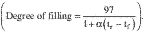 Where: t<sub>r</sub> is the maximum mean bulk temperature during transport, and t<sub>f</sub> is the temperature in degrees celsius of the liquid during filling. |
(8) Packing Authorizations (§173.***) 
| (8A) Exceptions | 152 | see 49 CFR §173.152 |
|---|---|---|
| (8B) Non-bulk | 202 | see 49 CFR §173.202 |
| (8C) Bulk | 242 | see 49 CFR §173.242 |
(9) Quantity Limits
| (9A) Passenger aircraft/rail | 1 L |
|---|---|
| (9B) Cargo aircraft only | 5 L |
(10) Vessel stowage
| (10A) Location | |
|---|---|
| (10B) Other |
(3) Hazard class5.1Oxidizers |
(4) Identification number |
(5) Packing Group |
||||||||||
(6) Labels |
||||||||||||
(7) Special Provisions (§172.102)
|
||||||||||||
| A9 | |
|---|---|
| IB2 | |
| N34 | |
| T4 | |
| TP1 | The maximum degree of filling must not exceed the degree of filling determined by the following: Where: t<sub>r</sub> is the maximum mean bulk temperature during transport, and t<sub>f</sub> is the temperature in degrees celsius of the liquid during filling. |
(8) Packing Authorizations (§173.***)
| (8A) Exceptions | 152 | see 49 CFR §173.152 |
|---|---|---|
| (8B) Non-bulk | 203 | see 49 CFR §173.203 |
| (8C) Bulk | 241 | see 49 CFR §173.241 |
(9) Quantity Limits
| (9A) Passenger aircraft/rail | 2.5 L |
|---|---|
| (9B) Cargo aircraft only | 30 L |
(10) Vessel stowage
| (10A) Location | |
|---|---|
| (10B) Other |
Packing group comparison
Multiple packing groups apply to this entry. See assignment criteria in 49 CFR §173 Subpart D. Details are in the tabs above; differences are highlighted.
Segregation chart for load, transport, and storage
This chart shows whether loading, transport, or storage with other hazard classes is permitted, prohibited, or restricted. Based on 49 CFR §177.848.
Full segregation table for class 5.1 · Browse UN entries for this class
| Hazard class | 8 | 7 | 6.1 | 5.2 | 5.1 | 4.3 | 4.2 | 4.1 | 3 | 2.3B | 2.3A | 2.2 | 2.1 | 1.6 | 1.5 | 1.4 | 1.3 | 1.1/1.2 |
| 1.1/1.2 | ||||||||||||||||||
| 1.3 | ||||||||||||||||||
| 1.4 | ||||||||||||||||||
| 1.5 | ||||||||||||||||||
| 1.6 | ||||||||||||||||||
| 2.1 | ||||||||||||||||||
| 2.2 | ||||||||||||||||||
| 2.3A | ||||||||||||||||||
| 2.3B | ||||||||||||||||||
| 3 | ||||||||||||||||||
| 4.1 | ||||||||||||||||||
| 4.2 | ||||||||||||||||||
| 4.3 | ||||||||||||||||||
| 5.1 | ||||||||||||||||||
| 5.2 | ||||||||||||||||||
| 6.1 | ||||||||||||||||||
| 7 | ||||||||||||||||||
| 8 |
| Must not be loaded, transported, or stored together in the same vehicle or facility. | |
| May be loaded, transported, or stored together. | |
| May be loaded, transported, or stored together only with restrictions. |