HazMat Tool — substance information
Dimethyl ether
HMT 15 June 2026- UN / ID
- UN 1033
- Hazard class
- 2.1
- Packing group
- —
- ERG guide
- ERG 115
- Special provisions
- SP T50
- Source
- 49 CFR §172 (15 June 2026)
Dimethyl ether
Dimethyl ether (DME; also known as methoxymethane) is the organic compound with the formula CH3OCH3, (sometimes ambiguously simplified to C2H6O as it is an isomer of ethanol). The simplest ether, it is a colorless gas that is a useful precursor to other organic compounds and an aerosol propellant that is currently being demonstrated for use in a variety of fuel applications. Dimethyl ether was first synthesised by Jean-Baptiste Dumas and Eugene Péligot in 1835 by distillation of methanol and sulfuric acid Wikipedia
Substance Data
Source: PubChem (HSDB, 19.11.2019)CAS-Number115-10-6 |
Flash Pointn/a | Boiling Pointn/a |
| Emergency Response Guide No. 115 |
Hazardous Materials Table
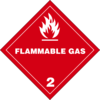
Source: 49 CFR §172 (15 June 2026)(3) Hazard Class2.1Flammable gases |
(4) Identification number |
(5) Packing Group |
|||||||||
(6) Labels |
|||||||||||
(7) Special Provisions (§172.102)
|
|||||||||||

| T50 |
|---|
(8) Packing Authorizations (§173.***) 
| (8A) Exceptions | 306 | see 49 CFR §173.306 |
|---|---|---|
| (8B) Non-bulk | 304 | see 49 CFR §173.304 |
| (8C) Bulk | 314, 315 | see 49 CFR §173.314, 315 |
(9) Quantity Limits
| (9A) Passenger aircraft/rail | Forbidden |
|---|---|
| (9B) Cargo aircraft only | 150 kg |
(10) Vessel stowage
| (10A) Location | |
|---|---|
| (10B) Other |
Segregation chart for load, transport, and storage
This chart shows whether loading, transport, or storage with other hazard classes is permitted, prohibited, or restricted. Based on 49 CFR §177.848.
| Hazard class | 8 | 7 | 6.1 | 5.2 | 5.1 | 4.3 | 4.2 | 4.1 | 3 | 2.3B | 2.3A | 2.2 | 2.1 | 1.6 | 1.5 | 1.4 | 1.3 | 1.1/1.2 |
| 1.1/1.2 |  | | | | | | | | | | | | |  | | | | |
| 1.3 | |  | | | | | | | | | | | | | | | | |
| 1.4 | | | | | | | | | | | | | | | | | ||
| 1.5 | | | | | | | | | | | | | | | | |||
| 1.6 | | | | | | | | | | | | | | | ||||
| 2.1 | | | | | | | | | | | | | | |||||
| 2.2 | | | | | | | | | | | | | ||||||
| 2.3A | | | | | | | | | | | | |||||||
| 2.3B | | | | | | | | | | | ||||||||
| 3 | | | | | | | | | | |||||||||
| 4.1 | | | | | | | | | ||||||||||
| 4.2 | | | | | | | | |||||||||||
| 4.3 | | | | | | | ||||||||||||
| 5.1 | | | | | | |||||||||||||
| 5.2 | | | | | ||||||||||||||
| 6.1 | | | | |||||||||||||||
| 7 | | | ||||||||||||||||
| 8 | |
|
Must not be loaded, transported, or stored together in the same vehicle or facility. |
|
May be loaded, transported, or stored together. |
|
May be loaded, transported, or stored together only with restrictions. |