Tinctures, medicinal
HMT 15 June 2026- UN / ID
- UN 1293
- Hazard class
- 3
- Packing group
- II (multiple — see tabs)
- ERG guide
- ERG 127
- Special provisions
- Source
- 49 CFR §172 (15 June 2026)
Tinctures, medicinal
A tincture is typically an extract of plant or animal material dissolved in ethanol (ethyl alcohol). Solvent concentrations of 25–60% are common, but may run as high as 90%. In chemistry, a tincture is a solution that has ethanol as the sole solvent. In herbal medicine, alcoholic tinctures are made with various ethanol concentrations, which should be at least 20% alcohol for preservation purposes Wikipedia
| Emergency Response Guide No. 127 |
Hazardous Materials Table
Source: 49 CFR §172 (15 June 2026)(3) Hazard class3Flammable liquids |
(4) Identification number |
(5) Packing Group |
|||||||||
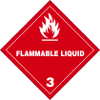
(6) Labels |
|||||||||||
(7) Special Provisions (§172.102)
|
|||||||||||
| IB2 | |
|---|---|
| T4 | |
| TP1 | The maximum degree of filling must not exceed the degree of filling determined by the following: 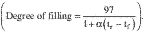 Where: t<sub>r</sub> is the maximum mean bulk temperature during transport, and t<sub>f</sub> is the temperature in degrees celsius of the liquid during filling. |
| TP8 |
(8) Packing Authorizations (§173.***) 
| (8A) Exceptions | 150 | see 49 CFR §173.150 |
|---|---|---|
| (8B) Non-bulk | 202 | see 49 CFR §173.202 |
| (8C) Bulk | 242 | see 49 CFR §173.242 |
(9) Quantity Limits
| (9A) Passenger aircraft/rail | 5 L |
|---|---|
| (9B) Cargo aircraft only | 60 L |
(10) Vessel stowage
| (10A) Location | |
|---|---|
| (10B) Other | — |
(3) Hazard class3Flammable liquids |
(4) Identification number |
(5) Packing Group |
|||||||||
(6) Labels |
|||||||||||
(7) Special Provisions (§172.102)
|
|||||||||||
| B1 | |
|---|---|
| IB3 | |
| T2 | |
| TP1 | The maximum degree of filling must not exceed the degree of filling determined by the following: Where: t<sub>r</sub> is the maximum mean bulk temperature during transport, and t<sub>f</sub> is the temperature in degrees celsius of the liquid during filling. |
(8) Packing Authorizations (§173.***)
| (8A) Exceptions | 150 | see 49 CFR §173.150 |
|---|---|---|
| (8B) Non-bulk | 203 | see 49 CFR §173.203 |
| (8C) Bulk | 242 | see 49 CFR §173.242 |
(9) Quantity Limits
| (9A) Passenger aircraft/rail | 60 L |
|---|---|
| (9B) Cargo aircraft only | 220 L |
(10) Vessel stowage
| (10A) Location | |
|---|---|
| (10B) Other | — |
Packing group comparison
Multiple packing groups apply to this entry. See assignment criteria in 49 CFR §173 Subpart D. Details are in the tabs above; differences are highlighted.
Segregation chart for load, transport, and storage
This chart shows whether loading, transport, or storage with other hazard classes is permitted, prohibited, or restricted. Based on 49 CFR §177.848.
Full segregation table for class 3 · Browse UN entries for this class
| Hazard class | 8 | 7 | 6.1 | 5.2 | 5.1 | 4.3 | 4.2 | 4.1 | 3 | 2.3B | 2.3A | 2.2 | 2.1 | 1.6 | 1.5 | 1.4 | 1.3 | 1.1/1.2 |
| 1.1/1.2 |  | | | | | | | | | | | | |  | | | | |
| 1.3 | |  | | | | | | | | | | | | | | | | |
| 1.4 | | | | | | | | | | | | | | | | | ||
| 1.5 | | | | | | | | | | | | | | | | |||
| 1.6 | | | | | | | | | | | | | | | ||||
| 2.1 | | | | | | | | | | | | | | |||||
| 2.2 | | | | | | | | | | | | | ||||||
| 2.3A | | | | | | | | | | | | |||||||
| 2.3B | | | | | | | | | | | ||||||||
| 3 | | | | | | | | | | |||||||||
| 4.1 | | | | | | | | | ||||||||||
| 4.2 | | | | | | | | |||||||||||
| 4.3 | | | | | | | ||||||||||||
| 5.1 | | | | | | |||||||||||||
| 5.2 | | | | | ||||||||||||||
| 6.1 | | | | |||||||||||||||
| 7 | | | ||||||||||||||||
| 8 | |
|
Must not be loaded, transported, or stored together in the same vehicle or facility. |
|
May be loaded, transported, or stored together. |
|
May be loaded, transported, or stored together only with restrictions. |