Nitroglycerin, solution in alcohol, with more than 1 percent but not more than 5 percent nitroglycerin
HMT 15 June 2026- UN / ID
- UN 3064
- Hazard class
- 3
- Packing group
- II
- ERG guide
- ERG 127
- Special provisions
- SP N8
- Source
- 49 CFR §172 (15 June 2026)
Nitroglycerin, solution in alcohol, with more than 1 percent but not more than 5 percent nitroglycerin
Nitroglycerin (NG, alternative spelling nitroglycerine), also known as trinitroglycerol (TNG), nitro, glyceryl trinitrate (GTN), or 1,2,3-trinitroxypropane, is a dense, colorless or pale yellow, oily, explosive liquid most commonly produced by nitrating glycerol with white fuming nitric acid under conditions appropriate to the formation of the nitric acid ester. Chemically, the substance is a nitrate ester rather than a nitro compound, but the traditional name is retained. Discovered in 1846 by Ascanio Sobrero, nitroglycerin has been used as an active ingredient in the manufacture of explosives, namely dynamite, and as such it is employed in the construction, demolition, and mining industries. It is combined with nitrocellulose to form double-based smokeless powder, used as a propellant in artillery and firearms since the 1880s Wikipedia
Substance Data
Source: PubChem (HSDB, 21.10.2026)CAS-Number55-63-0 |
Flash Point— | Boiling Point218 ° C |
| Emergency Response Guide No. 127 |
Hazardous Materials Table
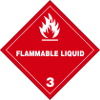
Source: 49 CFR §172 (15 June 2026)(3) Hazard class3Flammable liquids |
(4) Identification number |
(5) Packing Group |
|||||||
(6) Labels |
|||||||||
(7) Special Provisions (§172.102)
|
|||||||||

| N8 |
|---|
(8) Packing Authorizations (§173.***) 
| (8A) Exceptions | None | |
|---|---|---|
| (8B) Non-bulk | 202 | see 49 CFR §173.202 |
| (8C) Bulk | None |
(9) Quantity Limits
| (9A) Passenger aircraft/rail | Forbidden |
|---|---|
| (9B) Cargo aircraft only | 5 L |
(10) Vessel stowage
| (10A) Location | |
|---|---|
| (10B) Other | — |
Segregation chart for load, transport, and storage
This chart shows whether loading, transport, or storage with other hazard classes is permitted, prohibited, or restricted. Based on 49 CFR §177.848.
| Hazard class | 8 | 7 | 6.1 | 5.2 | 5.1 | 4.3 | 4.2 | 4.1 | 3 | 2.3B | 2.3A | 2.2 | 2.1 | 1.6 | 1.5 | 1.4 | 1.3 | 1.1/1.2 |
| 1.1/1.2 |  | | | | | | | | | | | | |  | | | | |
| 1.3 | |  | | | | | | | | | | | | | | | | |
| 1.4 | | | | | | | | | | | | | | | | | ||
| 1.5 | | | | | | | | | | | | | | | | |||
| 1.6 | | | | | | | | | | | | | | | ||||
| 2.1 | | | | | | | | | | | | | | |||||
| 2.2 | | | | | | | | | | | | | ||||||
| 2.3A | | | | | | | | | | | | |||||||
| 2.3B | | | | | | | | | | | ||||||||
| 3 | | | | | | | | | | |||||||||
| 4.1 | | | | | | | | | ||||||||||
| 4.2 | | | | | | | | |||||||||||
| 4.3 | | | | | | | ||||||||||||
| 5.1 | | | | | | |||||||||||||
| 5.2 | | | | | ||||||||||||||
| 6.1 | | | | |||||||||||||||
| 7 | | | ||||||||||||||||
| 8 | |
|
Must not be loaded, transported, or stored together in the same vehicle or facility. |
|
May be loaded, transported, or stored together. |
|
May be loaded, transported, or stored together only with restrictions. |