Nitriles, liquid, toxic, n.o.s.
HMT 15 June 2026- UN / ID
- UN 3276
- Hazard class
- 6.1
- Packing group
- I (multiple — see tabs)
- ERG guide
- ERG 151
- Special provisions
- Source
- 49 CFR §172 (15 June 2026)
Nitriles, liquid, toxic, n.o.s.
In organic chemistry, a nitrile is any organic compound that has a −C≡N functional group. The name of the compound is composed of a base, which includes the carbon of the −C≡N, suffixed with "nitrile", so for example CH3CH2C≡N is called "propionitrile" (or propanenitrile). The prefix cyano- is used interchangeably with the term nitrile in industrial literature. Nitriles are found in many useful compounds, including methyl cyanoacrylate, used in super glue, and nitrile rubber, a nitrile-containing polymer used in latex-free laboratory and medical gloves Wikipedia
| Emergency Response Guide No. 151 |
Hazardous Materials Table
Source: 49 CFR §172 (15 June 2026)(3) Hazard class6.1Poisonous Material |
(4) Identification number |
(5) Packing Group |
||||||||||
(6) Labels |
||||||||||||
(1) Symbols |
||||||||||||

| 5 | |
|---|---|
| T14 | |
| TP2 | a. The maximum degree of filling must not exceed the degree of filling determined by the following: 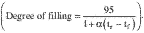 Where: t<sub>r</sub> is the maximum mean bulk temperature during transport, t<sub>f</sub> is the temperature in degrees celsius of the liquid during filling, and α is the mean coefficient of cubical expansion of the liquid between the mean temperature of the liquid during filling (t<sub>f</sub>) and the maximum mean bulk temperature during transportation (t<sub>r</sub>) both in degrees celsius. b. For liquids transported under ambient conditions α may be calculated using the formula:  Where: d<sub>15</sub> and d<sub>50</sub> are the densities (in units of mass per unit volume) of the liquid at 15 °C (59 °F) and 50 °C (122 °F), respectively. |
| TP13 | |
| TP27 |
(8) Packing Authorizations (§173.***) 
| (8A) Exceptions | None | |
|---|---|---|
| (8B) Non-bulk | 201 | see 49 CFR §173.201 |
| (8C) Bulk | 243 | see 49 CFR §173.243 |
(9) Quantity Limits
| (9A) Passenger aircraft/rail | 1 L |
|---|---|
| (9B) Cargo aircraft only | 30 L |
(10) Vessel stowage
| (10A) Location | |
|---|---|
| (10B) Other |
(3) Hazard class6.1Poisonous Material |
(4) Identification number |
(5) Packing Group |
|||||||||
(6) Labels |
|||||||||||
(1) Symbols |
|||||||||||
| IB2 | |
|---|---|
| T11 | |
| TP2 | a. The maximum degree of filling must not exceed the degree of filling determined by the following: Where: t<sub>r</sub> is the maximum mean bulk temperature during transport, t<sub>f</sub> is the temperature in degrees celsius of the liquid during filling, and α is the mean coefficient of cubical expansion of the liquid between the mean temperature of the liquid during filling (t<sub>f</sub>) and the maximum mean bulk temperature during transportation (t<sub>r</sub>) both in degrees celsius. b. For liquids transported under ambient conditions α may be calculated using the formula: Where: d<sub>15</sub> and d<sub>50</sub> are the densities (in units of mass per unit volume) of the liquid at 15 °C (59 °F) and 50 °C (122 °F), respectively. |
| TP27 |
(8) Packing Authorizations (§173.***)
| (8A) Exceptions | 153 | see 49 CFR §173.153 |
|---|---|---|
| (8B) Non-bulk | 202 | see 49 CFR §173.202 |
| (8C) Bulk | 243 | see 49 CFR §173.243 |
(9) Quantity Limits
| (9A) Passenger aircraft/rail | 5 L |
|---|---|
| (9B) Cargo aircraft only | 60 L |
(10) Vessel stowage
| (10A) Location | |
|---|---|
| (10B) Other |
(3) Hazard class6.1Poisonous Material |
(4) Identification number |
(5) Packing Group |
|||||||||
(6) Labels |
|||||||||||
(1) Symbols |
|||||||||||
| IB3 | |
|---|---|
| T7 | |
| TP1 | The maximum degree of filling must not exceed the degree of filling determined by the following: 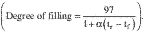 Where: t<sub>r</sub> is the maximum mean bulk temperature during transport, and t<sub>f</sub> is the temperature in degrees celsius of the liquid during filling. |
| TP28 |
(8) Packing Authorizations (§173.***)
| (8A) Exceptions | 153 | see 49 CFR §173.153 |
|---|---|---|
| (8B) Non-bulk | 203 | see 49 CFR §173.203 |
| (8C) Bulk | 241 | see 49 CFR §173.241 |
(9) Quantity Limits
| (9A) Passenger aircraft/rail | 60 L |
|---|---|
| (9B) Cargo aircraft only | 220 L |
(10) Vessel stowage
| (10A) Location | |
|---|---|
| (10B) Other |
Packing group comparison
Multiple packing groups apply to this entry. See assignment criteria in 49 CFR §173 Subpart D. Details are in the tabs above; differences are highlighted.
| PG I | PG II | PG III | |
|---|---|---|---|
| 1 | G | G | G |
| 2 | Nitriles, liquid, toxic, n.o.s. | Nitriles, liquid, toxic, n.o.s. | Nitriles, liquid, toxic, n.o.s. |
| 3 | 6.1 | 6.1 | 6.1 |
| 4 | UN 3276 | UN 3276 | UN 3276 |
| 5 | I | II | III |
| 6 | 6.1 | 6.1 | 6.1 |
| 7 | 5, T14, TP2, TP13, TP27 | IB2, T11, TP2, TP27 | IB3, T7, TP1, TP28 |
| 8A | None | 153 | 153 |
| 8B | 201 | 202 | 203 |
| 8C | 243 | 243 | 241 |
| 9A | 1 L | 5 L | 60 L |
| 9B | 30 L | 60 L | 220 L |
| 10A | B | B | A |
| 10B | 52 | 52 | 52 |
Segregation chart for load, transport, and storage
This chart shows whether loading, transport, or storage with other hazard classes is permitted, prohibited, or restricted. Based on 49 CFR §177.848.
Scope & sources (important)Click to show CFR references
This check evaluates segregation per 49 CFR §177.848. Additional loading/unloading and handling requirements may still apply; see 49 CFR §177 Subpart B (Loading and Unloading):
- §177.834 - General requirements
- §177.835 - Class 1 materials
- §177.837 - Class 3 materials
- §177.838 - Class 4 (flammable solid) materials, Class 5 (oxidizing) materials, and Division 4.2 (pyroforic liquid) materials
- §177.839 - Class 8 (corrosive) materials
- §177.840 - Class 2 (gases) materials
- §177.841 - Division 6.1 and Division 2.3 materials
- §177.842 - Class 7 (radioactive) material
- §177.843 - Contamination of vehicles
Similar substances
| UN / ID | Proper shipping name | Hazard class |
|---|---|---|
| UN 3273 | Nitriles, flammable, toxic, n.o.s. | 3 |
| UN 3439 | Nitriles, solid, toxic, n.o.s. | 6.1 |
| UN 3275 | Nitriles, toxic, flammable, n.o.s. | 6.1 |