Selenium compound, liquid, n.o.s
HMT 15 June 2026- UN / ID
- UN 3440
- Hazard class
- 6.1
- Packing group
- I (multiple — see tabs)
- ERG guide
- ERG 151
- Special provisions
- Source
- 49 CFR §172 (15 June 2026)
Selenium compound, liquid, n.o.s
Selenium is a chemical element; it has symbol Se and atomic number 34. It has various physical appearances, including a brick-red powder, a vitreous black solid, and a grey metallic-looking form. It seldom occurs in this elemental state or as pure ore compounds in Earth's crust. Selenium (from σελήνη 'moon') was discovered in 1817 by Jöns Jacob Berzelius, who noted the similarity of the new element to the previously discovered tellurium (named for the Earth) Wikipedia
| Emergency Response Guide No. 151 |
Hazardous Materials Table
Source: 49 CFR §172 (15 June 2026)(3) Hazard class6.1Poisonous Material |
(4) Identification number |
(5) Packing Group |
||||||||
(6) Labels |
||||||||||
(1) Symbols |
||||||||||

| T14 | |
|---|---|
| TP2 | a. The maximum degree of filling must not exceed the degree of filling determined by the following: 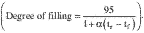 Where: t<sub>r</sub> is the maximum mean bulk temperature during transport, t<sub>f</sub> is the temperature in degrees celsius of the liquid during filling, and α is the mean coefficient of cubical expansion of the liquid between the mean temperature of the liquid during filling (t<sub>f</sub>) and the maximum mean bulk temperature during transportation (t<sub>r</sub>) both in degrees celsius. b. For liquids transported under ambient conditions α may be calculated using the formula:  Where: d<sub>15</sub> and d<sub>50</sub> are the densities (in units of mass per unit volume) of the liquid at 15 °C (59 °F) and 50 °C (122 °F), respectively. |
| TP27 |
(8) Packing Authorizations (§173.***) 
| (8A) Exceptions | None | |
|---|---|---|
| (8B) Non-bulk | 201 | see 49 CFR §173.201 |
| (8C) Bulk | 243 | see 49 CFR §173.243 |
(9) Quantity Limits
| (9A) Passenger aircraft/rail | 1 L |
|---|---|
| (9B) Cargo aircraft only | 30 L |
(10) Vessel stowage
| (10A) Location | |
|---|---|
| (10B) Other | — |
(3) Hazard class6.1Poisonous Material |
(4) Identification number |
(5) Packing Group |
|||||||||
(6) Labels |
|||||||||||
(1) Symbols |
|||||||||||
| IB2 | |
|---|---|
| T11 | |
| TP2 | a. The maximum degree of filling must not exceed the degree of filling determined by the following: Where: t<sub>r</sub> is the maximum mean bulk temperature during transport, t<sub>f</sub> is the temperature in degrees celsius of the liquid during filling, and α is the mean coefficient of cubical expansion of the liquid between the mean temperature of the liquid during filling (t<sub>f</sub>) and the maximum mean bulk temperature during transportation (t<sub>r</sub>) both in degrees celsius. b. For liquids transported under ambient conditions α may be calculated using the formula: Where: d<sub>15</sub> and d<sub>50</sub> are the densities (in units of mass per unit volume) of the liquid at 15 °C (59 °F) and 50 °C (122 °F), respectively. |
| TP27 |
(8) Packing Authorizations (§173.***)
| (8A) Exceptions | 153 | see 49 CFR §173.153 |
|---|---|---|
| (8B) Non-bulk | 202 | see 49 CFR §173.202 |
| (8C) Bulk | 243 | see 49 CFR §173.243 |
(9) Quantity Limits
| (9A) Passenger aircraft/rail | 5 L |
|---|---|
| (9B) Cargo aircraft only | 60 L |
(10) Vessel stowage
| (10A) Location | |
|---|---|
| (10B) Other | — |
(3) Hazard class6.1Poisonous Material |
(4) Identification number |
(5) Packing Group |
|||||||||
(6) Labels |
|||||||||||
(1) Symbols |
|||||||||||
| IB3 | |
|---|---|
| T7 | |
| TP1 | The maximum degree of filling must not exceed the degree of filling determined by the following: 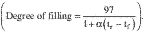 Where: t<sub>r</sub> is the maximum mean bulk temperature during transport, and t<sub>f</sub> is the temperature in degrees celsius of the liquid during filling. |
| TP28 |
(8) Packing Authorizations (§173.***)
| (8A) Exceptions | 153 | see 49 CFR §173.153 |
|---|---|---|
| (8B) Non-bulk | 203 | see 49 CFR §173.203 |
| (8C) Bulk | 241 | see 49 CFR §173.241 |
(9) Quantity Limits
| (9A) Passenger aircraft/rail | 60 L |
|---|---|
| (9B) Cargo aircraft only | 220 L |
(10) Vessel stowage
| (10A) Location | |
|---|---|
| (10B) Other | — |
Packing group comparison
Multiple packing groups apply to this entry. See assignment criteria in 49 CFR §173 Subpart D. Details are in the tabs above; differences are highlighted.
Segregation chart for load, transport, and storage
This chart shows whether loading, transport, or storage with other hazard classes is permitted, prohibited, or restricted. Based on 49 CFR §177.848.
Scope & sources (important)Click to show CFR references
This check evaluates segregation per 49 CFR §177.848. Additional loading/unloading and handling requirements may still apply; see 49 CFR §177 Subpart B (Loading and Unloading):
- §177.834 - General requirements
- §177.835 - Class 1 materials
- §177.837 - Class 3 materials
- §177.838 - Class 4 (flammable solid) materials, Class 5 (oxidizing) materials, and Division 4.2 (pyroforic liquid) materials
- §177.839 - Class 8 (corrosive) materials
- §177.840 - Class 2 (gases) materials
- §177.841 - Division 6.1 and Division 2.3 materials
- §177.842 - Class 7 (radioactive) material
- §177.843 - Contamination of vehicles
Similar substances
| UN / ID | Proper shipping name | Hazard class |
|---|---|---|
| UN 3283 | Selenium compound, solid, n.o.s | 6.1 |
| UN 2657 | Selenium disulfide | 6.1 |
| UN 2194 | Selenium hexafluoride | 2.3 |
| Selenium nitride | Forbidden | |
| UN 2879 | Selenium oxychloride | 8 |