Diesel fuel
Diesel fuel, also called diesel oil, fuel oil (historically), or simply diesel, is any liquid fuel specifically designed for use in a diesel engine, a type of internal combustion engine in which fuel ignition takes place as a result of compression of the inlet air and then injection of fuel without a spark. Therefore, diesel fuel needs good compression ignition characteristics. The most common type of diesel fuel is a specific fractional distillate of petroleum fuel oil, but alternatives that are not derived from petroleum, such as biodiesel, biomass to liquid (BTL) or gas to liquid (GTL) diesel are increasingly being developed and adopted. To distinguish these types, petroleum-derived diesel is sometimes called petrodiesel in some academic circles Wikipedia
Substance Data
Source:
PubChem (HSDB, 15.11.2026)
CAS-Number68476-30-2 |
Flash Point— | Boiling Point— |
Hazardous Materials Table
Source:
49 CFR §172 (15 June 2026)
(3) Hazard class 3
Flammable liquids |
UN 1202 |
III |
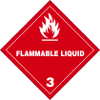 |
This entry is signed with "I". The letter "I" identifies proper shipping names which are appropriate for describing materials in international transportation. An alternate proper shipping name may be selected when only domestic transportation is involved.
×Note:Special provisions may be very complex. The extracts are taken from 49 CFR §172.102. Please be careful with the information, as necessary, additional conditions may be applied that are not written here. Please check the original source and report bugs. | 144 | If transported as a residue in an underground storage tank (UST), as defined in 40 CFR 280.12, that has been cleaned and purged or rendered inert according to the American Petroleum Institute (API) Standard 1604 (IBR, see § 171.7 of this subchapter), then the tank and this material are not subject to any other requirements of this subchapter. However, sediments remaining in the tank that meet the definition for a hazardous material are subject to the applicable regulations of this subchapter. Browse special provision 144 |
|---|
| B1 | If the material has a flash point at or above 38 °C (100 °F) and below 93 °C (200 °F), then the bulk packaging requirements of § 173.241 of this subchapter are applicable. If the material has a flash point of less than 38 °C (100 °F), then the bulk packaging requirements of § 173.242 of this subchapter are applicable. Browse special provision B1 |
|---|
| IB3 | <sub>Authorized IBCs:</sub> Metal (31A, 31B and 31N); Rigid plastics (31H1 and 31H2); Composite (31HZ1 and 31HA2, 31HB2, 31HN2, 31HD2 and 31HH2). <sub>Additional Requirement:</sub> Only liquids with a vapor pressure less than or equal to 110 kPa at 50 °C (1.1 bar at 122 °F), or 130 kPa at 55 °C (1.3 bar at 131 °F) are authorized, except for UN2672 (also see special provision IP8 in Table 2 for UN2672). Browse special provision IB3 |
|---|
| T2 | | Minimum test pressure (bar) | 1.5 |
|---|
| Minimum shell thickness | § 178.274(d)(2) |
|---|
| Pressure-relief requirements | Normal |
|---|
| Bottom opening requirements | § 178.275(d)(3) |
|---|
Browse special provision T2 |
|---|
| TP1 | The maximum degree of filling must not exceed the degree of filling determined by the following: 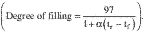 Where: t<sub>r</sub> is the maximum mean bulk temperature during transport, and t<sub>f</sub> is the temperature in degrees celsius of the liquid during filling. Browse special provision TP1 |
|---|
|
|
|
| (9A) Passenger aircraft/rail | 60 L |
|---|
| (9B) Cargo aircraft only | 220 L |
|---|
|
| (10A) Location | A Stowage category “A” means the material may be stowed “on deck” or “under deck” on a cargo vessel or on a passenger vessel. Source: 49 CFR §172.101(k) |
|---|
| (10B) Other | — |
|---|
|
(3) Hazard class 3
Flammable liquids |
UN 1202 |
III |
| |
×Note:Special provisions may be very complex. The extracts are taken from 49 CFR §172.102. Please be careful with the information, as necessary, additional conditions may be applied that are not written here. Please check the original source and report bugs. | 144 | If transported as a residue in an underground storage tank (UST), as defined in 40 CFR 280.12, that has been cleaned and purged or rendered inert according to the American Petroleum Institute (API) Standard 1604 (IBR, see § 171.7 of this subchapter), then the tank and this material are not subject to any other requirements of this subchapter. However, sediments remaining in the tank that meet the definition for a hazardous material are subject to the applicable regulations of this subchapter. Browse special provision 144 |
|---|
| B1 | If the material has a flash point at or above 38 °C (100 °F) and below 93 °C (200 °F), then the bulk packaging requirements of § 173.241 of this subchapter are applicable. If the material has a flash point of less than 38 °C (100 °F), then the bulk packaging requirements of § 173.242 of this subchapter are applicable. Browse special provision B1 |
|---|
| IB3 | <sub>Authorized IBCs:</sub> Metal (31A, 31B and 31N); Rigid plastics (31H1 and 31H2); Composite (31HZ1 and 31HA2, 31HB2, 31HN2, 31HD2 and 31HH2). <sub>Additional Requirement:</sub> Only liquids with a vapor pressure less than or equal to 110 kPa at 50 °C (1.1 bar at 122 °F), or 130 kPa at 55 °C (1.3 bar at 131 °F) are authorized, except for UN2672 (also see special provision IP8 in Table 2 for UN2672). Browse special provision IB3 |
|---|
| T2 | | Minimum test pressure (bar) | 1.5 |
|---|
| Minimum shell thickness | § 178.274(d)(2) |
|---|
| Pressure-relief requirements | Normal |
|---|
| Bottom opening requirements | § 178.275(d)(3) |
|---|
Browse special provision T2 |
|---|
| TP1 | The maximum degree of filling must not exceed the degree of filling determined by the following: Where: t<sub>r</sub> is the maximum mean bulk temperature during transport, and t<sub>f</sub> is the temperature in degrees celsius of the liquid during filling. Browse special provision TP1 |
|---|
|
|
|
| (9A) Passenger aircraft/rail | 60 L |
|---|
| (9B) Cargo aircraft only | 220 L |
|---|
|
| (10A) Location | A Stowage category “A” means the material may be stowed “on deck” or “under deck” on a cargo vessel or on a passenger vessel. Source: 49 CFR §172.101(k) |
|---|
| (10B) Other | — |
|---|
|
(3) Hazard class 3
Flammable liquids |
UN 1202 |
III |
| |
×Note:Special provisions may be very complex. The extracts are taken from 49 CFR §172.102. Please be careful with the information, as necessary, additional conditions may be applied that are not written here. Please check the original source and report bugs. | B1 | If the material has a flash point at or above 38 °C (100 °F) and below 93 °C (200 °F), then the bulk packaging requirements of § 173.241 of this subchapter are applicable. If the material has a flash point of less than 38 °C (100 °F), then the bulk packaging requirements of § 173.242 of this subchapter are applicable. Browse special provision B1 |
|---|
| IB3 | <sub>Authorized IBCs:</sub> Metal (31A, 31B and 31N); Rigid plastics (31H1 and 31H2); Composite (31HZ1 and 31HA2, 31HB2, 31HN2, 31HD2 and 31HH2). <sub>Additional Requirement:</sub> Only liquids with a vapor pressure less than or equal to 110 kPa at 50 °C (1.1 bar at 122 °F), or 130 kPa at 55 °C (1.3 bar at 131 °F) are authorized, except for UN2672 (also see special provision IP8 in Table 2 for UN2672). Browse special provision IB3 |
|---|
| T2 | | Minimum test pressure (bar) | 1.5 |
|---|
| Minimum shell thickness | § 178.274(d)(2) |
|---|
| Pressure-relief requirements | Normal |
|---|
| Bottom opening requirements | § 178.275(d)(3) |
|---|
Browse special provision T2 |
|---|
| TP1 | The maximum degree of filling must not exceed the degree of filling determined by the following: Where: t<sub>r</sub> is the maximum mean bulk temperature during transport, and t<sub>f</sub> is the temperature in degrees celsius of the liquid during filling. Browse special provision TP1 |
|---|
|
|
|
| (9A) Passenger aircraft/rail | 60 L |
|---|
| (9B) Cargo aircraft only | 220 L |
|---|
|
| (10A) Location | A Stowage category “A” means the material may be stowed “on deck” or “under deck” on a cargo vessel or on a passenger vessel. Source: 49 CFR §172.101(k) |
|---|
| (10B) Other | — |
|---|
|
Packing group comparison
Multiple packing groups apply to this entry. See assignment criteria in 49 CFR §173 Subpart D. Details are in the tabs above; differences are highlighted.
| PG III | PG III | PG III |
|---|
| 1 | I | | |
| 2 | Diesel fuel | Gas oil | Heating oil, light |
| 3 | 3 | 3 | 3 |
| 4 | UN 1202 | UN 1202 | UN 1202 |
| 5 | III | III | III |
| 6 | 3 | 3 | 3 |
| 7 | 144, B1, IB3, T2, TP1 | 144, B1, IB3, T2, TP1 | B1, IB3, T2, TP1 |
| 8A | 150 | 150 | 150 |
| 8B | 203 | 203 | 203 |
| 8C | 242 | 242 | 242 |
| 9A | 60 L | 60 L | 60 L |
| 9B | 220 L | 220 L | 220 L |
| 10A | A | A | A |
| 10B | — | — | — |
Segregation chart for load, transport, and storage
This chart shows whether loading, transport, or storage with other hazard classes is permitted, prohibited, or restricted. Based on 49 CFR §177.848.
Full segregation table for class 3 · Browse UN entries for this class
![Prohibited]() |
Must not be loaded, transported, or stored together in the same vehicle or facility. |
![Permitted]() |
May be loaded, transported, or stored together. |
![Restricted]() |
May be loaded, transported, or stored together only with restrictions. |
