HazMat Tool — substance information
Reference only — not a shipping paper, placard mandate, or CVI record.
Benzoyl chloride
HMT 15 June 2026- UN / ID
- UN 1736
- Hazard class
- 8
- Packing group
- II
- ERG guide
- ERG 137
- Special provisions
- Source
- 49 CFR §172 (15 June 2026)
Benzoyl chloride
Benzoyl chloride, also known as benzenecarbonyl chloride, is an organochlorine compound with the formula C6H5COCl. It is a colourless, fuming liquid with an irritating odour, and consists of a phenyl ring (C6H5) with an acyl chloride (−C(=O)Cl) substituent. It is mainly useful for the production of organic peroxides but is also used in other areas such as in the preparation of dyes, perfumes, pharmaceuticals, and resins Wikipedia
Substance Data
Source: PubChem (HSDB, 22.10.2026)CAS-Number98-88-4 |
Flash Point68 ° C | Boiling Point201 ° C |
| Emergency Response Guide No. 137 |
Hazardous Materials Table
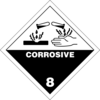
Source: 49 CFR §172 (15 June 2026)(3) Hazard class8Corrosive liquids |
(4) Identification number |
(5) Packing Group |
||||||||||
(6) Labels |
||||||||||||
(7) Special Provisions (§172.102)
|
||||||||||||
| B2 | |
|---|---|
| IB2 | |
| T8 | |
| TP2 | a. The maximum degree of filling must not exceed the degree of filling determined by the following: 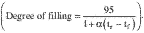 Where: t<sub>r</sub> is the maximum mean bulk temperature during transport, t<sub>f</sub> is the temperature in degrees celsius of the liquid during filling, and α is the mean coefficient of cubical expansion of the liquid between the mean temperature of the liquid during filling (t<sub>f</sub>) and the maximum mean bulk temperature during transportation (t<sub>r</sub>) both in degrees celsius. b. For liquids transported under ambient conditions α may be calculated using the formula:  Where: d<sub>15</sub> and d<sub>50</sub> are the densities (in units of mass per unit volume) of the liquid at 15 °C (59 °F) and 50 °C (122 °F), respectively. |
| TP13 |
(8) Packing Authorizations (§173.***) 
| (8A) Exceptions | 154 | see 49 CFR §173.154 |
|---|---|---|
| (8B) Non-bulk | 202 | see 49 CFR §173.202 |
| (8C) Bulk | 242 | see 49 CFR §173.242 |
(9) Quantity Limits
| (9A) Passenger aircraft/rail | 1 L |
|---|---|
| (9B) Cargo aircraft only | 30 L |
(10) Vessel stowage
| (10A) Location | |
|---|---|
| (10B) Other |
Segregation chart for load, transport, and storage
This chart shows whether loading, transport, or storage with other hazard classes is permitted, prohibited, or restricted. Based on 49 CFR §177.848.
Hinweis: In der Kompatibilitätstabelle sind Stoffe der Gefahrenklasse 8 nur dann zu berücksichtigen, wenn der Stoff flüssig ist. Derzeit kann HazMat Tool nicht prüfen, ob der Stoff flüssig ist. Dies wird daher hier angenommen. Siehe PHMSA Interpretation #09-0252.
Full segregation table for class 8 · Browse UN entries for this class
| Hazard class | 8 | 7 | 6.1 | 5.2 | 5.1 | 4.3 | 4.2 | 4.1 | 3 | 2.3B | 2.3A | 2.2 | 2.1 | 1.6 | 1.5 | 1.4 | 1.3 | 1.1/1.2 |
| 1.1/1.2 | ||||||||||||||||||
| 1.3 | ||||||||||||||||||
| 1.4 | ||||||||||||||||||
| 1.5 | ||||||||||||||||||
| 1.6 | ||||||||||||||||||
| 2.1 | ||||||||||||||||||
| 2.2 | ||||||||||||||||||
| 2.3A | ||||||||||||||||||
| 2.3B | ||||||||||||||||||
| 3 | ||||||||||||||||||
| 4.1 | ||||||||||||||||||
| 4.2 | ||||||||||||||||||
| 4.3 | ||||||||||||||||||
| 5.1 | ||||||||||||||||||
| 5.2 | ||||||||||||||||||
| 6.1 | ||||||||||||||||||
| 7 | ||||||||||||||||||
| 8 |
| Must not be loaded, transported, or stored together in the same vehicle or facility. | |
| May be loaded, transported, or stored together. | |
| May be loaded, transported, or stored together only with restrictions. |
Similar substances
| UN / ID | Proper shipping name | Hazard class |
|---|---|---|
| Acetyl benzoyl peroxide, solid, or with more than 40 percent in solution | Forbidden | |
| Di-2,4-dichlorobenzoyl peroxide, with more than 75 percent with water | Forbidden |