Hydrofluoric acid, with more than 60 percent strength
HMT 15 June 2026Hydrofluoric acid, with more than 60 percent strength
Hydrofluoric acid is a solution of hydrogen fluoride (HF) in water. Solutions of HF are colorless, acidic and highly corrosive. A common concentration is 49% (48–52%) but stronger solutions are available. In industry, it is less important than its anhydrous derivative hydrogen fluoride but in the laboratory it is a more common reagent used to make some organofluorine compound and other fluorides Wikipedia
Substance Data
Source: PubChem (HSDB, 21.10.2026)CAS-Number7664-39-3 |
Flash Point— | Boiling Point20 ° C |
| Emergency Response Guide No. 157 |
Hazardous Materials Table
Source: 49 CFR §172 (15 June 2026)(3) Hazard class8Corrosive liquids |
(4) Identification number |
(5) Packing Group |
||||||||||||||||||
(6) Labels |
||||||||||||||||||||
(7) Special Provisions (§172.102)
|
||||||||||||||||||||


| A7 | |
|---|---|
| B4 | |
| B15 | |
| B23 | |
| N5 | |
| N34 | |
| T10 | |
| TP2 | a. The maximum degree of filling must not exceed the degree of filling determined by the following: 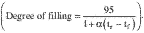 Where: t<sub>r</sub> is the maximum mean bulk temperature during transport, t<sub>f</sub> is the temperature in degrees celsius of the liquid during filling, and α is the mean coefficient of cubical expansion of the liquid between the mean temperature of the liquid during filling (t<sub>f</sub>) and the maximum mean bulk temperature during transportation (t<sub>r</sub>) both in degrees celsius. b. For liquids transported under ambient conditions α may be calculated using the formula:  Where: d<sub>15</sub> and d<sub>50</sub> are the densities (in units of mass per unit volume) of the liquid at 15 °C (59 °F) and 50 °C (122 °F), respectively. |
| TP13 |
(8) Packing Authorizations (§173.***) 
| (8A) Exceptions | None | |
|---|---|---|
| (8B) Non-bulk | 201 | see 49 CFR §173.201 |
| (8C) Bulk | 243 | see 49 CFR §173.243 |
(9) Quantity Limits
| (9A) Passenger aircraft/rail | 0.5 L |
|---|---|
| (9B) Cargo aircraft only | 2.5 L |
(10) Vessel stowage
| (10A) Location | |
|---|---|
| (10B) Other |
(3) Hazard class8Corrosive liquids |
(4) Identification number |
(5) Packing Group |
||||||||||||||
(6) Labels |
||||||||||||||||
(7) Special Provisions (§172.102)
|
||||||||||||||||
| A7 | |
|---|---|
| B15 | |
| IB2 | |
| N5 | |
| N34 | |
| T8 | |
| TP2 | a. The maximum degree of filling must not exceed the degree of filling determined by the following: Where: t<sub>r</sub> is the maximum mean bulk temperature during transport, t<sub>f</sub> is the temperature in degrees celsius of the liquid during filling, and α is the mean coefficient of cubical expansion of the liquid between the mean temperature of the liquid during filling (t<sub>f</sub>) and the maximum mean bulk temperature during transportation (t<sub>r</sub>) both in degrees celsius. b. For liquids transported under ambient conditions α may be calculated using the formula: Where: d<sub>15</sub> and d<sub>50</sub> are the densities (in units of mass per unit volume) of the liquid at 15 °C (59 °F) and 50 °C (122 °F), respectively. |
(8) Packing Authorizations (§173.***)
| (8A) Exceptions | 154 | see 49 CFR §173.154 |
|---|---|---|
| (8B) Non-bulk | 202 | see 49 CFR §173.202 |
| (8C) Bulk | 243 | see 49 CFR §173.243 |
(9) Quantity Limits
| (9A) Passenger aircraft/rail | 1 L |
|---|---|
| (9B) Cargo aircraft only | 30 L |
(10) Vessel stowage
| (10A) Location | |
|---|---|
| (10B) Other |
Packing group comparison
Multiple packing groups apply to this entry. See assignment criteria in 49 CFR §173 Subpart D. Details are in the tabs above; differences are highlighted.
| PG I | PG II | |
|---|---|---|
| 1 | ||
| 2 | Hydrofluoric acid, with more than 60 percent strength | Hydrofluoric acid, with not more than 60 percent strength |
| 3 | 8 | 8 |
| 4 | UN 1790 | UN 1790 |
| 5 | I | II |
| 6 | 8, 6.1 | 8, 6.1 |
| 7 | A7, B4, B15, B23, N5, N34, T10, TP2, TP13 | A7, B15, IB2, N5, N34, T8, TP2 |
| 8A | None | 154 |
| 8B | 201 | 202 |
| 8C | 243 | 243 |
| 9A | 0.5 L | 1 L |
| 9B | 2.5 L | 30 L |
| 10A | D | D |
| 10B | 12, 25, 40, 53, 58 | 12, 25, 40, 53, 58 |
Segregation chart for load, transport, and storage
This chart shows whether loading, transport, or storage with other hazard classes is permitted, prohibited, or restricted. Based on 49 CFR §177.848.
Full segregation table for class 8 · Browse UN entries for this class
| Hazard class | 8 | 7 | 6.1 | 5.2 | 5.1 | 4.3 | 4.2 | 4.1 | 3 | 2.3B | 2.3A | 2.2 | 2.1 | 1.6 | 1.5 | 1.4 | 1.3 | 1.1/1.2 |
| 1.1/1.2 | ||||||||||||||||||
| 1.3 | ||||||||||||||||||
| 1.4 | ||||||||||||||||||
| 1.5 | ||||||||||||||||||
| 1.6 | ||||||||||||||||||
| 2.1 | ||||||||||||||||||
| 2.2 | ||||||||||||||||||
| 2.3A | ||||||||||||||||||
| 2.3B | ||||||||||||||||||
| 3 | ||||||||||||||||||
| 4.1 | ||||||||||||||||||
| 4.2 | ||||||||||||||||||
| 4.3 | ||||||||||||||||||
| 5.1 | ||||||||||||||||||
| 5.2 | ||||||||||||||||||
| 6.1 | ||||||||||||||||||
| 7 | ||||||||||||||||||
| 8 |
| Must not be loaded, transported, or stored together in the same vehicle or facility. | |
| May be loaded, transported, or stored together. | |
| May be loaded, transported, or stored together only with restrictions. |