Sludge, acid
HMT 15 June 2026Sludge, acid
Sludge (possibly from Middle English slutch 'mud, mire', or some dialect related to slush) is a semi-solid slurry that can be produced from a range of industrial processes, from water treatment, wastewater treatment or on-site sanitation systems. It can be produced as a settled suspension obtained from conventional drinking water treatment, as sewage sludge from wastewater treatment processes or as fecal sludge from pit latrines and septic tanks. The term is also sometimes used as a generic term for solids separated from suspension in a liquid; this soupy material usually contains significant quantities of interstitial water (between the solid particles). Sludge can consist of a variety of particles, such as animal manure Wikipedia
| Emergency Response Guide No. 153 |
Hazardous Materials Table
Source: 49 CFR §172 (15 June 2026)(3) Hazard class8Corrosive liquids |
(4) Identification number |
(5) Packing Group |
||||||||||||||||
(6) Labels |
||||||||||||||||||
(7) Special Provisions (§172.102)
|
||||||||||||||||||
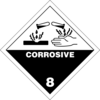

| A3 | |
|---|---|
| A7 | |
| B2 | |
| IB2 | |
| N34 | |
| T8 | |
| TP2 | a. The maximum degree of filling must not exceed the degree of filling determined by the following: 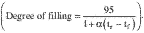 Where: t<sub>r</sub> is the maximum mean bulk temperature during transport, t<sub>f</sub> is the temperature in degrees celsius of the liquid during filling, and α is the mean coefficient of cubical expansion of the liquid between the mean temperature of the liquid during filling (t<sub>f</sub>) and the maximum mean bulk temperature during transportation (t<sub>r</sub>) both in degrees celsius. b. For liquids transported under ambient conditions α may be calculated using the formula:  Where: d<sub>15</sub> and d<sub>50</sub> are the densities (in units of mass per unit volume) of the liquid at 15 °C (59 °F) and 50 °C (122 °F), respectively. |
| TP28 |
(8) Packing Authorizations (§173.***) 
| (8A) Exceptions | 154 | see 49 CFR §173.154 |
|---|---|---|
| (8B) Non-bulk | 202 | see 49 CFR §173.202 |
| (8C) Bulk | 242 | see 49 CFR §173.242 |
(9) Quantity Limits
| (9A) Passenger aircraft/rail | Forbidden |
|---|---|
| (9B) Cargo aircraft only | 30 L |
(10) Vessel stowage
| (10A) Location | |
|---|---|
| (10B) Other |
Segregation chart for load, transport, and storage
This chart shows whether loading, transport, or storage with other hazard classes is permitted, prohibited, or restricted. Based on 49 CFR §177.848.
Full segregation table for class 8 · Browse UN entries for this class
| Hazard class | 8 | 7 | 6.1 | 5.2 | 5.1 | 4.3 | 4.2 | 4.1 | 3 | 2.3B | 2.3A | 2.2 | 2.1 | 1.6 | 1.5 | 1.4 | 1.3 | 1.1/1.2 |
| 1.1/1.2 | ||||||||||||||||||
| 1.3 | ||||||||||||||||||
| 1.4 | ||||||||||||||||||
| 1.5 | ||||||||||||||||||
| 1.6 | ||||||||||||||||||
| 2.1 | ||||||||||||||||||
| 2.2 | ||||||||||||||||||
| 2.3A | ||||||||||||||||||
| 2.3B | ||||||||||||||||||
| 3 | ||||||||||||||||||
| 4.1 | ||||||||||||||||||
| 4.2 | ||||||||||||||||||
| 4.3 | ||||||||||||||||||
| 5.1 | ||||||||||||||||||
| 5.2 | ||||||||||||||||||
| 6.1 | ||||||||||||||||||
| 7 | ||||||||||||||||||
| 8 |
| Must not be loaded, transported, or stored together in the same vehicle or facility. | |
| May be loaded, transported, or stored together. | |
| May be loaded, transported, or stored together only with restrictions. |