HazMat Tool — substance information
Compounds, cleaning liquid
HMT 15 June 2026- UN / ID
- NA 1993
- Hazard class
- 3
- Packing group
- I (multiple — see tabs)
- ERG guide
- —
- Special provisions
- SP T11, SP TP1
- Source
- 49 CFR §172 (15 June 2026)
Compounds, cleaning liquid
Hazardous Materials Table
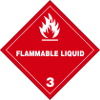
Source: 49 CFR §172 (15 June 2026)(3) Hazard Class3Flammable liquids |
(4) Identification number |
(5) Packing Group |
|||||||||
(6) Labels |
|||||||||||
(1) Symbols |
|||||||||||
| T11 | |
|---|---|
| TP1 | The maximum degree of filling must not exceed the degree of filling determined by the following:  Where: tr is the maximum mean bulk temperature during transport, and tf is the temperature in degrees celsius of the liquid during filling. |
(8) Packing Authorizations (§173.***) 
| (8A) Exceptions | 150 | see 49 CFR §173.150 |
|---|---|---|
| (8B) Non-bulk | 201 | see 49 CFR §173.201 |
| (8C) Bulk | 243 | see 49 CFR §173.243 |
(9) Quantity Limits
| (9A) Passenger aircraft/rail | 1 L |
|---|---|
| (9B) Cargo aircraft only | 30 L |
(10) Vessel stowage
| (10A) Location | |
|---|---|
| (10B) Other | n/a |
(3) Hazard Class3Flammable liquids |
(4) Identification number |
(5) Packing Group |
|||||||||
(6) Labels |
|||||||||||
(1) Symbols |
|||||||||||
| T11 | |
|---|---|
| TP1 | The maximum degree of filling must not exceed the degree of filling determined by the following: Where: tr is the maximum mean bulk temperature during transport, and tf is the temperature in degrees celsius of the liquid during filling. |
(8) Packing Authorizations (§173.***)
| (8A) Exceptions | 150 | see 49 CFR §173.150 |
|---|---|---|
| (8B) Non-bulk | 201 | see 49 CFR §173.201 |
| (8C) Bulk | 243 | see 49 CFR §173.243 |
(9) Quantity Limits
| (9A) Passenger aircraft/rail | 1 L |
|---|---|
| (9B) Cargo aircraft only | 30 L |
(10) Vessel stowage
| (10A) Location | |
|---|---|
| (10B) Other | n/a |
(3) Hazard Class3Flammable liquids |
(4) Identification number |
(5) Packing Group |
||||||||||
(6) Labels |
||||||||||||
(1) Symbols |
||||||||||||
| IB2 | |
|---|---|
| T7 | |
| TP1 | The maximum degree of filling must not exceed the degree of filling determined by the following: Where: tr is the maximum mean bulk temperature during transport, and tf is the temperature in degrees celsius of the liquid during filling. |
| TP8 | |
| TP28 |
(8) Packing Authorizations (§173.***)
| (8A) Exceptions | 150 | see 49 CFR §173.150 |
|---|---|---|
| (8B) Non-bulk | 202 | see 49 CFR §173.202 |
| (8C) Bulk | 242 | see 49 CFR §173.242 |
(9) Quantity Limits
| (9A) Passenger aircraft/rail | 5 L |
|---|---|
| (9B) Cargo aircraft only | 60 L |
(10) Vessel stowage
| (10A) Location | |
|---|---|
| (10B) Other | n/a |
(3) Hazard Class3Flammable liquids |
(4) Identification number |
(5) Packing Group |
||||||||||
(6) Labels |
||||||||||||
(1) Symbols |
||||||||||||
| IB2 | |
|---|---|
| T7 | |
| TP1 | The maximum degree of filling must not exceed the degree of filling determined by the following: Where: tr is the maximum mean bulk temperature during transport, and tf is the temperature in degrees celsius of the liquid during filling. |
| TP8 | |
| TP28 |
(8) Packing Authorizations (§173.***)
| (8A) Exceptions | 150 | see 49 CFR §173.150 |
|---|---|---|
| (8B) Non-bulk | 202 | see 49 CFR §173.202 |
| (8C) Bulk | 242 | see 49 CFR §173.242 |
(9) Quantity Limits
| (9A) Passenger aircraft/rail | 5 L |
|---|---|
| (9B) Cargo aircraft only | 60 L |
(10) Vessel stowage
| (10A) Location | |
|---|---|
| (10B) Other | n/a |
(3) Hazard ClassComb liq |
(4) Identification number |
(5) Packing Group |
|||||||||
(6) Labels None |
|||||||||||
(1) Symbols |
|||||||||||
| 148 | |
|---|---|
| IB3 | |
| T1 | |
| TP1 | The maximum degree of filling must not exceed the degree of filling determined by the following: Where: tr is the maximum mean bulk temperature during transport, and tf is the temperature in degrees celsius of the liquid during filling. |
(8) Packing Authorizations (§173.***)
| (8A) Exceptions | 150 | see 49 CFR §173.150 |
|---|---|---|
| (8B) Non-bulk | 203 | see 49 CFR §173.203 |
| (8C) Bulk | 241 | see 49 CFR §173.241 |
(9) Quantity Limits
| (9A) Passenger aircraft/rail | 60 L |
|---|---|
| (9B) Cargo aircraft only | 220 L |
(10) Vessel stowage
| (10A) Location | |
|---|---|
| (10B) Other | n/a |
(3) Hazard Class3Flammable liquids |
(4) Identification number |
(5) Packing Group |
||||||||||||
(6) Labels |
||||||||||||||
(1) Symbols |
||||||||||||||
| B1 | |
|---|---|
| B52 | |
| IB3 | |
| T4 | |
| TP1 | The maximum degree of filling must not exceed the degree of filling determined by the following: Where: tr is the maximum mean bulk temperature during transport, and tf is the temperature in degrees celsius of the liquid during filling. |
| TP29 |
(8) Packing Authorizations (§173.***)
| (8A) Exceptions | 150 | see 49 CFR §173.150 |
|---|---|---|
| (8B) Non-bulk | 203 | see 49 CFR §173.203 |
| (8C) Bulk | 242 | see 49 CFR §173.242 |
(9) Quantity Limits
| (9A) Passenger aircraft/rail | 60 L |
|---|---|
| (9B) Cargo aircraft only | 220 L |
(10) Vessel stowage
| (10A) Location | |
|---|---|
| (10B) Other | n/a |
(3) Hazard Class3Flammable liquids |
(4) Identification number |
(5) Packing Group |
||||||||||||
(6) Labels |
||||||||||||||
(1) Symbols |
||||||||||||||
| B1 | |
|---|---|
| B52 | |
| IB3 | |
| T4 | |
| TP1 | The maximum degree of filling must not exceed the degree of filling determined by the following: Where: tr is the maximum mean bulk temperature during transport, and tf is the temperature in degrees celsius of the liquid during filling. |
| TP29 |
(8) Packing Authorizations (§173.***)
| (8A) Exceptions | 150 | see 49 CFR §173.150 |
|---|---|---|
| (8B) Non-bulk | 203 | see 49 CFR §173.203 |
| (8C) Bulk | 242 | see 49 CFR §173.242 |
(9) Quantity Limits
| (9A) Passenger aircraft/rail | 60 L |
|---|---|
| (9B) Cargo aircraft only | 220 L |
(10) Vessel stowage
| (10A) Location | |
|---|---|
| (10B) Other | n/a |
(3) Hazard Class3Flammable liquids |
(4) Identification number |
(5) Packing Group |
||||||||||||
(6) Labels None |
||||||||||||||
(1) Symbols |
||||||||||||||
| 144 | |
|---|---|
| B1 | |
| IB3 | |
| T4 | |
| TP1 | The maximum degree of filling must not exceed the degree of filling determined by the following: Where: tr is the maximum mean bulk temperature during transport, and tf is the temperature in degrees celsius of the liquid during filling. |
| TP29 |
(8) Packing Authorizations (§173.***)
| (8A) Exceptions | 150 | see 49 CFR §173.150 |
|---|---|---|
| (8B) Non-bulk | 203 | see 49 CFR §173.203 |
| (8C) Bulk | 242 | see 49 CFR §173.242 |
(9) Quantity Limits
| (9A) Passenger aircraft/rail | 60 L |
|---|---|
| (9B) Cargo aircraft only | 220 L |
(10) Vessel stowage
| (10A) Location | |
|---|---|
| (10B) Other | n/a |
(3) Hazard Class3Flammable liquids |
(4) Identification number |
(5) Packing Group |
||||||||||||
(6) Labels |
||||||||||||||
(1) Symbols |
||||||||||||||
| 144 | |
|---|---|
| B1 | |
| IB3 | |
| T4 | |
| TP1 | The maximum degree of filling must not exceed the degree of filling determined by the following: Where: tr is the maximum mean bulk temperature during transport, and tf is the temperature in degrees celsius of the liquid during filling. |
| TP29 |
(8) Packing Authorizations (§173.***)
| (8A) Exceptions | 150 | see 49 CFR §173.150 |
|---|---|---|
| (8B) Non-bulk | 203 | see 49 CFR §173.203 |
| (8C) Bulk | 242 | see 49 CFR §173.242 |
(9) Quantity Limits
| (9A) Passenger aircraft/rail | 60 L |
|---|---|
| (9B) Cargo aircraft only | 220 L |
(10) Vessel stowage
| (10A) Location | |
|---|---|
| (10B) Other | n/a |
Packing group comparison
Multiple packing groups apply to this entry. See assignment criteria in 49 CFR §173 Subpart D. Details are in the tabs above; differences are highlighted.
| PG I | PG I | PG II | PG II | PG III | PG III | PG III | PG III | PG III | |
|---|---|---|---|---|---|---|---|---|---|
| 1 | D G | D G | D G | D G | D G | D G | D G | D | D |
| 2 | Compounds, cleaning liquid | Compounds, tree killing, liquid or Compounds, weed killing, liquid | Compounds, cleaning liquid | Compounds, tree killing, liquid or Compounds, weed killing, liquid | Combustible liquid, n.o.s. | Compounds, cleaning liquid | Compounds, tree killing, liquid or Compounds, weed killing, liquid | Diesel fuel | Fuel oil (No. 1, 2, 4, 5, or 6) |
| 3 | 3 | 3 | 3 | 3 | Comb liq | 3 | 3 | 3 | 3 |
| 4 | NA 1993 | NA 1993 | NA 1993 | NA 1993 | NA 1993 | NA 1993 | NA 1993 | NA 1993 | NA 1993 |
| 5 | I | I | II | II | III | III | III | III | III |
| 6 | 3 | 3 | 3 | 3 | None | 3 | 3 | None | 3 |
| 7 | T11, TP1 | T11, TP1 | IB2, T7, TP1, TP8, TP28 | IB2, T7, TP1, TP8, TP28 | 148, IB3, T1, TP1 | B1, B52, IB3, T4, TP1, TP29 | B1, B52, IB3, T4, TP1, TP29 | 144, B1, IB3, T4, TP1, TP29 | 144, B1, IB3, T4, TP1, TP29 |
| 8A | 150 | 150 | 150 | 150 | 150 | 150 | 150 | 150 | 150 |
| 8B | 201 | 201 | 202 | 202 | 203 | 203 | 203 | 203 | 203 |
| 8C | 243 | 243 | 242 | 242 | 241 | 242 | 242 | 242 | 242 |
| 9A | 1 L | 1 L | 5 L | 5 L | 60 L | 60 L | 60 L | 60 L | 60 L |
| 9B | 30 L | 30 L | 60 L | 60 L | 220 L | 220 L | 220 L | 220 L | 220 L |
| 10A | E | E | B | B | A | A | A | A | A |
| 10B | n/a | n/a | n/a | n/a | n/a | n/a | n/a | n/a | n/a |
Segregation chart for load, transport, and storage
This chart shows whether loading, transport, or storage with other hazard classes is permitted, prohibited, or restricted. Based on 49 CFR §177.848.
| Hazard class | 8 | 7 | 6.1 | 5.2 | 5.1 | 4.3 | 4.2 | 4.1 | 3 | 2.3B | 2.3A | 2.2 | 2.1 | 1.6 | 1.5 | 1.4 | 1.3 | 1.1/1.2 |
| 1.1/1.2 |  | | | | | | | | | | | | |  | | | | |
| 1.3 | |  | | | | | | | | | | | | | | | | |
| 1.4 | | | | | | | | | | | | | | | | | ||
| 1.5 | | | | | | | | | | | | | | | | |||
| 1.6 | | | | | | | | | | | | | | | ||||
| 2.1 | | | | | | | | | | | | | | |||||
| 2.2 | | | | | | | | | | | | | ||||||
| 2.3A | | | | | | | | | | | | |||||||
| 2.3B | | | | | | | | | | | ||||||||
| 3 | | | | | | | | | | |||||||||
| 4.1 | | | | | | | | | ||||||||||
| 4.2 | | | | | | | | |||||||||||
| 4.3 | | | | | | | ||||||||||||
| 5.1 | | | | | | |||||||||||||
| 5.2 | | | | | ||||||||||||||
| 6.1 | | | | |||||||||||||||
| 7 | | | ||||||||||||||||
| 8 | |
|
Must not be loaded, transported, or stored together in the same vehicle or facility. |
|
May be loaded, transported, or stored together. |
|
May be loaded, transported, or stored together only with restrictions. |