HazMat Tool — substance information
Organometallic substance, solid, water-reactive, flammable
HMT 15 June 2026Organometallic substance, solid, water-reactive, flammable
| Emergency Response Guide No. 138 |
Hazardous Materials Table
Source: 49 CFR §172 (15 June 2026)(3) Hazard Class4.3Dangerous when wet materials |
(4) Identification number |
(5) Packing Group |
||||||||||||||
(6) Labels |
||||||||||||||||
(1) Symbols |
||||||||||||||||
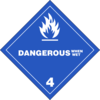


| N40 | |
|---|---|
| T9 | |
| TP7 | |
| TP33 | |
| TP36 | |
| TP47 | |
| W31 |
(8) Packing Authorizations (§173.***) 
| (8A) Exceptions | None | |
|---|---|---|
| (8B) Non-bulk | 211 | see 49 CFR §173.211 |
| (8C) Bulk | 242 | see 49 CFR §173.242 |
(9) Quantity Limits
| (9A) Passenger aircraft/rail | Forbidden |
|---|---|
| (9B) Cargo aircraft only | 15 kg |
(10) Vessel stowage
| (10A) Location | |
|---|---|
| (10B) Other |
(3) Hazard Class4.3Dangerous when wet materials |
(4) Identification number |
(5) Packing Group |
||||||||||||
(6) Labels |
||||||||||||||
(1) Symbols |
||||||||||||||
| IB4 | |
|---|---|
| T3 | |
| TP33 | |
| TP36 | |
| TP47 | |
| W31 |
(8) Packing Authorizations (§173.***)
| (8A) Exceptions | 151 | see 49 CFR §173.151 |
|---|---|---|
| (8B) Non-bulk | 212 | see 49 CFR §173.212 |
| (8C) Bulk | 242 | see 49 CFR §173.242 |
(9) Quantity Limits
| (9A) Passenger aircraft/rail | 15 kg |
|---|---|
| (9B) Cargo aircraft only | 50 kg |
(10) Vessel stowage
| (10A) Location | |
|---|---|
| (10B) Other |
(3) Hazard Class4.3Dangerous when wet materials |
(4) Identification number |
(5) Packing Group |
||||||||||||
(6) Labels |
||||||||||||||
(1) Symbols |
||||||||||||||
| IB6 | |
|---|---|
| T1 | |
| TP33 | |
| TP36 | |
| TP47 | |
| W31 |
(8) Packing Authorizations (§173.***)
| (8A) Exceptions | 151 | see 49 CFR §173.151 |
|---|---|---|
| (8B) Non-bulk | 213 | see 49 CFR §173.213 |
| (8C) Bulk | 241 | see 49 CFR §173.241 |
(9) Quantity Limits
| (9A) Passenger aircraft/rail | 25 kg |
|---|---|
| (9B) Cargo aircraft only | 100 kg |
(10) Vessel stowage
| (10A) Location | |
|---|---|
| (10B) Other |
Packing group comparison
Multiple packing groups apply to this entry. See assignment criteria in 49 CFR §173 Subpart D. Details are in the tabs above; differences are highlighted.
| PG I | PG II | PG III | |
|---|---|---|---|
| 1 | G | G | G |
| 2 | Organometallic substance, solid, water-reactive, flammable | Organometallic substance, solid, water-reactive, flammable | Organometallic substance, solid, water-reactive, flammable |
| 3 | 4.3 | 4.3 | 4.3 |
| 4 | UN 3396 | UN 3396 | UN 3396 |
| 5 | I | II | III |
| 6 | 4.3, 4.1 | 4.3, 4.1 | 4.3, 4.1 |
| 7 | N40, T9, TP7, TP33, TP36, TP47, W31 | IB4, T3, TP33, TP36, TP47, W31 | IB6, T1, TP33, TP36, TP47, W31 |
| 8A | None | 151 | 151 |
| 8B | 211 | 212 | 213 |
| 8C | 242 | 242 | 241 |
| 9A | Forbidden | 15 kg | 25 kg |
| 9B | 15 kg | 50 kg | 100 kg |
| 10A | E | E | E |
| 10B | 13, 40, 52, 148 | 13, 40, 52, 148 | 13, 40, 52, 148 |
Segregation chart for load, transport, and storage
This chart shows whether loading, transport, or storage with other hazard classes is permitted, prohibited, or restricted. Based on 49 CFR §177.848.
| Hazard class | 8 | 7 | 6.1 | 5.2 | 5.1 | 4.3 | 4.2 | 4.1 | 3 | 2.3B | 2.3A | 2.2 | 2.1 | 1.6 | 1.5 | 1.4 | 1.3 | 1.1/1.2 |
| 1.1/1.2 |  | | | | | | | | | | | | |  | | | | |
| 1.3 | |  | | | | | | | | | | | | | | | | |
| 1.4 | | | | | | | | | | | | | | | | | ||
| 1.5 | | | | | | | | | | | | | | | | |||
| 1.6 | | | | | | | | | | | | | | | ||||
| 2.1 | | | | | | | | | | | | | | |||||
| 2.2 | | | | | | | | | | | | | ||||||
| 2.3A | | | | | | | | | | | | |||||||
| 2.3B | | | | | | | | | | | ||||||||
| 3 | | | | | | | | | | |||||||||
| 4.1 | | | | | | | | | ||||||||||
| 4.2 | | | | | | | | |||||||||||
| 4.3 | | | | | | | ||||||||||||
| 5.1 | | | | | | |||||||||||||
| 5.2 | | | | | ||||||||||||||
| 6.1 | | | | |||||||||||||||
| 7 | | | ||||||||||||||||
| 8 | |
|
Must not be loaded, transported, or stored together in the same vehicle or facility. |
|
May be loaded, transported, or stored together. |
|
May be loaded, transported, or stored together only with restrictions. |